
Dutch criminal procedure runs in fixed stages: investigation, the prosecutor’s decision, the trial and, if needed, an appeal. Each stage has its own decision-maker and strict time limits: after an arrest you must be brought before the examining magistrate within three days and eighteen hours, and an objection, appeal or cassation must be lodged within fourteen days.
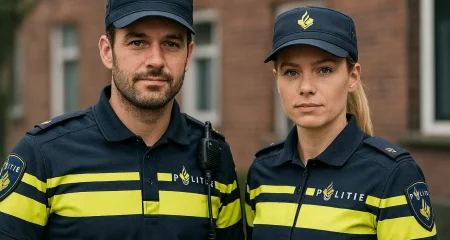
The investigation is led by the public prosecutor (officier van justitie) and carried out by the police. The prosecutor then decides whether to drop the case, impose a penalty order (strafbeschikking) or summon you to court. At the trial the court decides step by step whether the charge is proven, whether it is an offence, whether you are punishable and what sentence follows.
რა ეტაპებს მოიცავს ნიდერლანდების სისხლის სამართლის საქმე?
ნიდერლანდებში სისხლის სამართლის საქმეს სამი ძირითადი ეტაპი აქვს: გამოძიება, ბრალდების მხარის გადაწყვეტილება და სასამართლო პროცესი განაჩენით. განაჩენის გამოტანის შემდეგ შესაძლებელია სააპელაციო და საკასაციო საჩივარი.
The rules are set out in the Dutch Code of Criminal Procedure (Wetboek van Strafvordering, Sv); the offences and penalties are in the Dutch Criminal Code (Wetboek van Strafrecht, Sr). The judge does not simply referee a contest, but actively examines the written case file (dossier) and questions the defendant and witnesses. What you say, or do not say, to the police often ends up in that file.

როგორ იწყება გამოძიება?
An investigation usually starts with a police report (aangifte), a witness statement or an observation by the police. The public prosecutor directs it; the police carry out the work and record everything in official reports (processen-verbaal), which form the case file.
Many investigative powers require an order from the prosecutor, and the most intrusive ones, such as phone taps, require prior authorisation from the examining magistrate (rechter-commissaris). You become a suspect (verdachte) when facts give rise to a reasonable suspicion that you committed an offence (Article 27 Sv), even if you have not been arrested. You can შეიტყვეთ მეტი სისხლის სამართლის გამოძიების შესახებ და როგორ იქმნება საქმის მასალები.
რამდენ ხანს შეუძლია პოლიციას თქვენი დაკავება?
After an arrest, the police may hold you for questioning for up to nine hours; the hours between midnight and 9 a.m. do not count. After that, police custody (inverzekeringstelling) of up to three days can be ordered, which can be extended once by up to three days.
Within three days and eighteen hours of the arrest you must be brought before the examining magistrate, who can order remand in custody (bewaring) for up to fourteen days. A panel of the district court can then order continued detention (gevangenhouding) for up to thirty days, extendable twice by thirty days. The trial must have started by the end of that period, often with a short procedural hearing (pro-formazitting).
Pre-trial detention is only allowed for certain offences and on specific grounds, such as a risk of flight or of reoffending. A lawyer can ask for the detention to be lifted or suspended at any stage, for example against a reporting duty. Read more about when პრევენციული პატიმრობის წესები ვრცელდება.
რა გადაწყვეტილებას მიიღებს პროკურორი გამოძიების შემდეგ?
The prosecutor decides whether there is enough evidence and whether prosecution is in the public interest. Under the expediency principle (opportuniteitsbeginsel) the prosecutor may drop a case on grounds of general interest (Article 167 Sv); a victim who disagrees can complain to the court of appeal under Article 12 Sv.
For less serious offences the prosecutor can impose a penalty order, such as a fine, community service or a driving ban. If you lodge an objection (verzet) within fourteen days, the case goes to court (Article 257e Sv). If you do not object in time, the penalty order becomes final and is recorded on your criminal record.
If the prosecutor goes to court, you receive a summons (dagvaarding) with the charges (tenlastelegging) and the hearing date. The court can only convict you of what is stated in the summons. In this phase your lawyer studies the file, asks for missing documents or witnesses, and prepares any challenge to how the evidence was obtained.
რა უფლებები და მოვალეობები გაქვთ გამოძიების დროს?
As a suspect you have the right to remain silent, the right to a lawyer, the right to information and the right to an interpreter. At the same time, you must tolerate lawful investigative measures, such as a search or seizure ordered by the competent authority.
These rules apply to individuals and companies alike. A company can itself be a suspect, and its directors can be prosecuted for directing or ordering an offence (Article 51 Sr).
რომელი უფლებები გიცავთ, როგორც ეჭვმიტანილს?
Under Article 29 Sv you are not obliged to answer questions, and the police must tell you so before the interview (the caution, or cautie). Silence cannot in itself be used as evidence, but an explanation you only give later may be found less convincing. გაეცანით დუმილის უფლების ნიუანსებს სანამ გადაწყვეტთ, თუ როგორ გამოიყენოთ იგი.
Since 1 March 2017, an arrested suspect has the right to consult a lawyer before the first police interview and to have one present during it. The police notify the Legal Aid Board (Raad voor Rechtsbijstand), which assigns a duty lawyer, or you can ask for a lawyer of your own choice. You also have the right to be told what you are suspected of, to an interpreter if you do not speak Dutch well enough, and to inspect the case file (Article 30 Sv).
რა შეზღუდვები ვრცელდება ჩხრეკასა და ამოღებაზე?
Investigative powers are only lawful if the law provides for them and the competent authority has given the required order. A home search generally requires the involvement of the prosecutor or the examining magistrate, and a search of a lawyer’s, doctor’s or notary’s office is subject to extra safeguards for professional privilege (verschoningsrecht, Article 218 Sv).
Against a seizure you can file a complaint (klaagschrift) with the court under Article 552a Sv to have the goods returned, for example business records or a laptop your company needs. If the investigation concerns computers, networks or data, an IT იურისტი can work alongside the criminal defence. Unlawfully obtained evidence can lead to a reduction of sentence, exclusion of the evidence or, exceptionally, an inadmissible prosecution (Article 359a Sv).
რა ინფორმაცია უნდა მიიღოთ საქმის შესახებ?
The prosecutor may temporarily withhold certain documents in the interest of the investigation, but not indefinitely. Once the summons has been served, you may inspect all documents in the file (Article 33 Sv), and your lawyer can ask for documents that are missing.
Careful study of the file is the basis of any defence: statements may contain inconsistencies, reports may leave out facts, and the timing of measures may reveal procedural errors.

How does a court hearing work?
At the hearing the court examines the case in public, with you present or represented by a lawyer you have expressly authorised. Cases in which the prosecutor demands no more than one year’s imprisonment go to a single police judge (politierechter); more serious cases go to a panel of three judges. The Netherlands has no jury.
The presiding judge discusses the file with you and asks about the facts and your personal circumstances; the right to remain silent also applies here. The prosecutor makes a sentencing demand (requisitoir), the defence responds with its plea (pleidooi), and you always have the last word. If you do not appear and are not represented, the court can hear the case in your absence (verstek).
A victim, or surviving relatives, may speak at the hearing (spreekrecht, Article 51e Sv). A victim can also join as an injured party (benadeelde partij) to claim damages (Article 51f Sv); complex claims may be declared inadmissible and referred to the civil court.
How is evidence assessed?
The court may only find the charges proven if it is convinced of your guilt on the basis of lawful means of evidence (Article 338 Sv). These are the judge’s own observation, statements by the defendant, witnesses and experts, and written documents (Article 339 Sv).
A charge cannot be proven on the statement of a single witness alone (Article 342 Sv), and there are restrictions on anonymous witnesses. The defence must notify the prosecutor of witnesses it wants to call no later than ten days before the hearing (Article 263 Sv); later requests are assessed more strictly.
How does the court reach its verdict?
The court follows the fixed order of questions in Articles 348 and 350 Sv: formal questions first, then whether the charge is proven, whether it is an offence, whether you are punishable and which penalty fits. The judgment is usually delivered two weeks after the hearing; the police judge often gives an oral judgment straight away.
What verdicts are possible?
The court can acquit you, discharge you from further prosecution or convict you. An acquittal (vrijspraak) follows if the charge is not proven; a discharge (ontslag van alle rechtsvervolging) follows if the facts are proven but are not an offence or you are not punishable, for example because of self-defence.
After a conviction the court chooses from the principal penalties in Article 9 Sr: imprisonment, detention (hechtenis), community service (taakstraf) of up to 240 hours, and a fine, whose amount must take your ability to pay into account (Article 24 Sr). It can add measures such as confiscation of illegally obtained profits or a compensation order for the victim, or find you guilty without imposing a penalty (Article 9a Sr).
როგორ იღებს სასამართლო გადაწყვეტილებას სასჯელის შესახებ?
The court considers the seriousness of the offence, your criminal record, your personal circumstances and the risk of reoffending. The sentencing guidelines of the prosecution service and the judiciary are a starting point, and a report from the probation service (reclassering) can recommend special conditions.
All or part of a sentence can be suspended (voorwaardelijke straf, Article 14a Sr), provided you commit no new offence during the probation period and comply with any conditions. A conviction is recorded in the judicial documentation system, which can affect a certificate of conduct (verklaring omtrent het gedrag, VOG) for a new job or licence.
რა შეგიძლიათ გააკეთოთ, თუ არ ეთანხმებით განაჩენს?
You can appeal to the court of appeal within fourteen days of the judgment (Article 408 Sv). The prosecutor can also appeal, so the sentence on appeal can be higher or lower.
The court of appeal examines the facts and the law afresh, and you can bring new evidence. For certain minor offences with a small fine, you need leave to appeal. After the appeal, an appeal in cassation to the Supreme Court (Hoge Raad) is possible within fourteen days (Article 432 Sv); the Supreme Court only checks the law and the reasoning.
Once a judgment is final, you can ask the Supreme Court for a review (herziening, Article 457 Sv) if new facts come to light that could have led to a different outcome. A pardon (gratie) under the Pardons Act (Gratiewet) is only granted in exceptional circumstances.
რით შეგვიძლია დაგეხმაროთ სისხლის სამართლის საქმეში?
ჩვენი სისხლის სამართლის ადვოკატები assist individuals, expats and companies from the first police interview to the appeal.
- We advise you before and during the police interview on whether to make a statement.
- We contest police custody and pre-trial detention and request suspension of detention.
- We lodge an objection to a penalty order within the fourteen-day deadline.
- We study the case file, request missing documents and notify witnesses at least ten days before the hearing.
- We file a complaint under Article 552a Sv to recover seized goods.
- We lodge an appeal or cassation within fourteen days of the judgment.
შემაჯამებელი
- ნიდერლანდებში სისხლის სამართლის საქმე გადის გამოძიებას, პროკურორის გადაწყვეტილებას, სასამართლო პროცესს და, საჭიროების შემთხვევაში, სააპელაციო და საკასაციო საჩივრებს.
- After an arrest, strict time limits apply: up to nine hours for questioning, police custody of up to three days (once extendable), and an appearance before the examining magistrate within three days and eighteen hours.
- პირველ პოლიციის დაკითხვამდე გამოიყენეთ ადვოკატის აყვანის უფლება; დუმილის უფლება ვრცელდება მთელი საქმის განმავლობაში.
- საჯარიმო ორდერი საბოლოო ხდება, თუ თქვენ არ გაასაჩივრებთ მას თოთხმეტი დღის განმავლობაში; სააპელაციო და საკასაციო საჩივარი ასევე უნდა შეიტანოთ თოთხმეტი დღის განმავლობაში.
- სასამართლოს შეუძლია გამამტყუნებელი განაჩენი გამოუტანოს მხოლოდ კანონიერი მტკიცებულებებისა და საკუთარი გამამტყუნებელი განაჩენის საფუძველზე და სასჯელი უნდა მოარგოს დანაშაულსა და პიროვნებას.
ხშირად დასმული შეკითხვები
რა არის სისხლის სამართლის პროცესის ძირითადი ეტაპები ნიდერლანდებში?
The investigation led by the public prosecutor, the prosecutor’s decision whether and how to prosecute, and the trial leading to a verdict. After the verdict, both sides can appeal within fourteen days and then lodge an appeal in cassation with the Supreme Court.
რა უფლებები აქვთ ეჭვმიტანილებს ნიდერლანდებში სისხლის სამართლის გამოძიების დროს?
The right to remain silent (Article 29 Sv), the right to consult a lawyer before the first police interview and to have one present during it, the right to be told what you are suspected of, the right to an interpreter and, in principle, the right to inspect the case file.
რა შესაძლო განაჩენებია გამოტანილი ნიდერლანდების სისხლის სამართლის საქმეებზე?
Acquittal, discharge from further prosecution, a finding of guilt without a penalty, or a conviction. The principal penalties are imprisonment, detention, community service of up to 240 hours and a fine, which can be wholly or partly suspended.